
BLOG
Finds and Interests
As the country prepares to celebrate its 250th anniversary, many vintage enthusiasts are looking back at our history, whether through their own collections or through pictures and other ephemera that capture it.
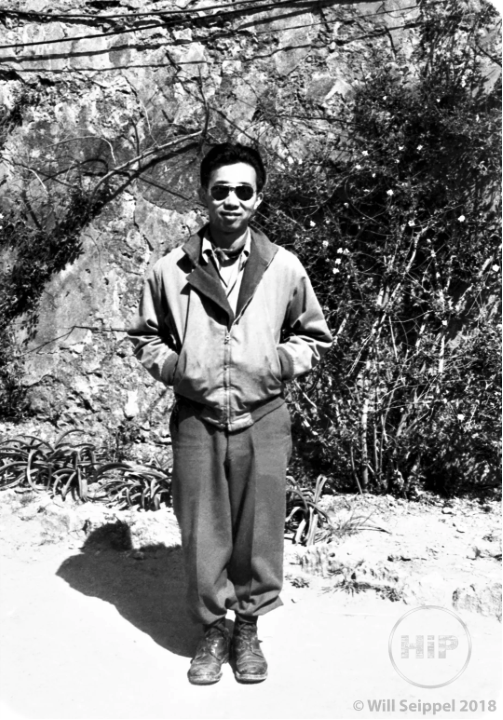
The HIP database that we curate and maintain gives our readers a glimpse into the past and how real moments in the lives of those who came before us. There’s another side to this project, however, and for one group of photos, we wanted to share the life of George Takata, the photographer behind the lens, who took the images and preserved them so we could learn about them.
Takata was of Japanese descent, but he was born in Idaho in 1922. Even before World War II, Japanese immigrants were discriminated against and marginalized. By the time he was twenty years old, the government forced George and his family from their homes and relocated them to an internment camp, the Manzanar War Relocation Center, not far from Death Valley, CA. After the attack on Pearl Harbor, Franklin D. Roosevelt signed Executive Order 9066, requiring the capture and containment of citizens of Japanese descent, including the liquidation of any property they owned.
In 1943, the military permitted “Nisei,” a Japanese term for a person of Japanese descent who was born in the United States, to join. George signed up as soon as he was able, and the US Army assigned him to the 442nd Regimental Combat Team, a segregated unit composed entirely of Nisei soldiers. The assignments were almost always risky, and their motto became, “Go for Broke.”
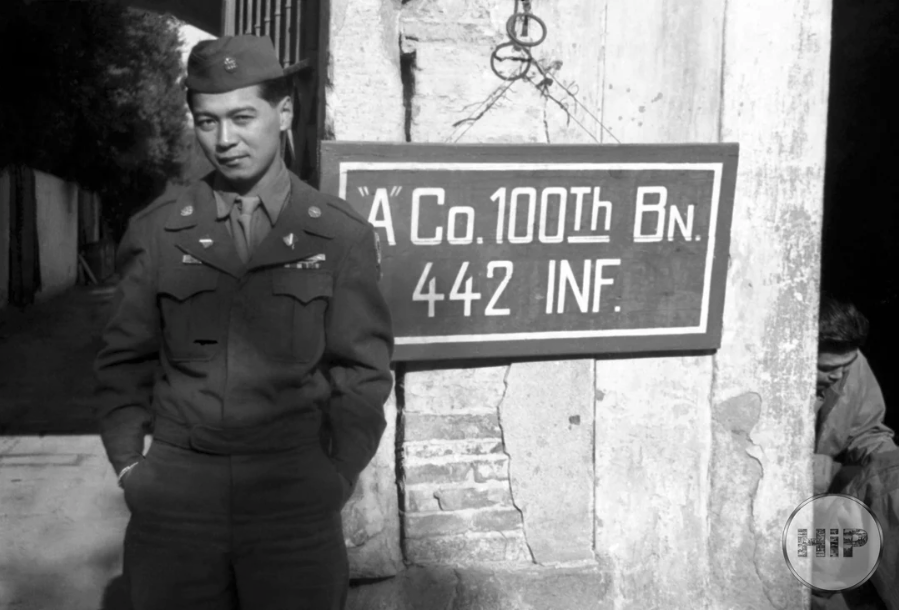
Takata was always interested in photography and often had a camera with him. It was a practice he would carry into his service, and his pictures, while frequently snapped quickly as he was on the move from place to place. While many were typical snapshots of landmarks, others showed an eerie emptiness in towns ravaged by the War, and others depicted social interactions and gatherings of citizens and visiting soldiers. It’s all part of the story, and the experience of just one soldier, who, while treated poorly, still stood up to volunteer his service.
I purchased all of Takata’s negatives and images in 2009 after he passed away. I was able to find some members of his family; however, they all said he didn’t talk much about his war experience, so they didn’t have many details. One of my favorite photos in the collection shows Italian citizens mingling in a small town while American soldiers pass by. WorthPoint asked Meghan Boehmer, a historical interpreter, reenactor, and writer, to tell us about the picture; her interpretation can be found here. I’ve called this one “Strangers and Soldiers” because it shows how hundreds of small towns, not just in Italy but across Europe, were affected by the War.
The best part of my job is researching historical photos and artifacts. History fascinates me, and preserving as much of it as possible is a goal for me. If you have any historical collectibles, like photographs, magazines, or items that hark back to a historical event or time, we’d love to know more. Please reach out to us anytime to discuss collections or items you’ve kept.