
BLOG
Finds and Interests
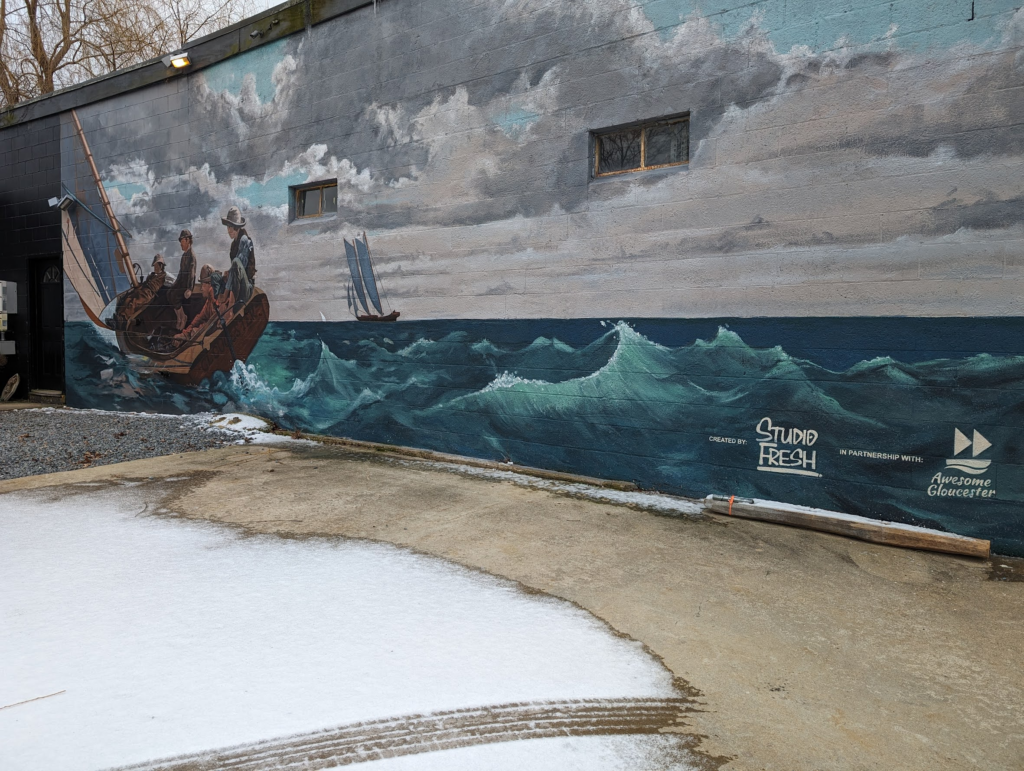
The trade tells you to specialize. Pick a lane, own a category, be the person people call about one thing. It’s good advice, and I’ve watched it make people money. It also doesn’t describe how most of the material in this business actually surfaces. Estates don’t arrive sorted.
I met Walt Kolenda when I asked him to write something for us, and we got further into trading picking stories than we ever got into the article. He has been in the auction business since 1979 and licensed in Massachusetts since 1995, which by his own accounting makes him practically vintage. Cape Ann Auction is a family business in Gloucester, a fishing town that has been sending things out into the world for a very long time and keeping a fair amount of it in the attic.
What comes through his door is Cape Ann art, jewelry, coins, and what he calls quirky collectibles — the contents of New England basements and old captains’ houses. One week gold and diamonds, the next a box of 1950s rock-and-roll 45s, a McIntosh amp, a carved folk-art mermaid. He isn’t running a trophy-piece operation. The stated business is finding hidden value in everyday estates, which is harder than selling one good painting, because it means knowing something about everything in the truck.
“It’s one thing to find out what the work of Emile Gruppé sold for last week or a few months ago, but being able to track his paintings over the years gives me a trend view.” — Walt Kolenda, Cape Ann Auction
That’s the difference between a price and a market. One record tells you what somebody paid on a Tuesday. Ten years of records tell you whether the category is going anywhere. A generalist needs the second thing more than a specialist does — the specialist carries it in his head for one category, and nobody carries it for forty.
Where I think Cape Ann art is heading
Walt’s read on the middle softening matches what I see, and regional art is where it shows most plainly. A Cape Ann painting used to be a local asset. The buyers lived within driving distance of the subject, they knew the harbor in the picture, and the price was set by however many of them were in the room that night. Online bidding took that constraint off. In my own experience the effect hasn’t been to lift the category so much as to sort it. A signed Gruppé harbor scene is now competing for national money. A nice unattributed New England seascape is competing with every other nice unattributed seascape in the country. A recognizable name plus a subject that photographs well will travel anywhere; everything else stays a local painting with a national supply. If I were watching one number in Walt’s territory, it would be the spread between the named Cape Ann painters and the anonymous work from the same decades that came out of the same houses.
Walt has a single-estate sale coming in September out of a Gloucester investment banker’s house, on-site and online, the largest he runs all year. That’s the kind of consignment where the spread I’m describing gets tested in public.
Cape Ann Auction is one of more than 1,000 Industry Partners contributing sales data to the WorthPoint Price Guide, now at 1 billion prices. See what Cape Ann Auction has sold.
If your auction house or shop belongs in that network, Nathan Teasdale and Jon
Waldman run the Industry Partner program. Either one can get you started.
Join us.